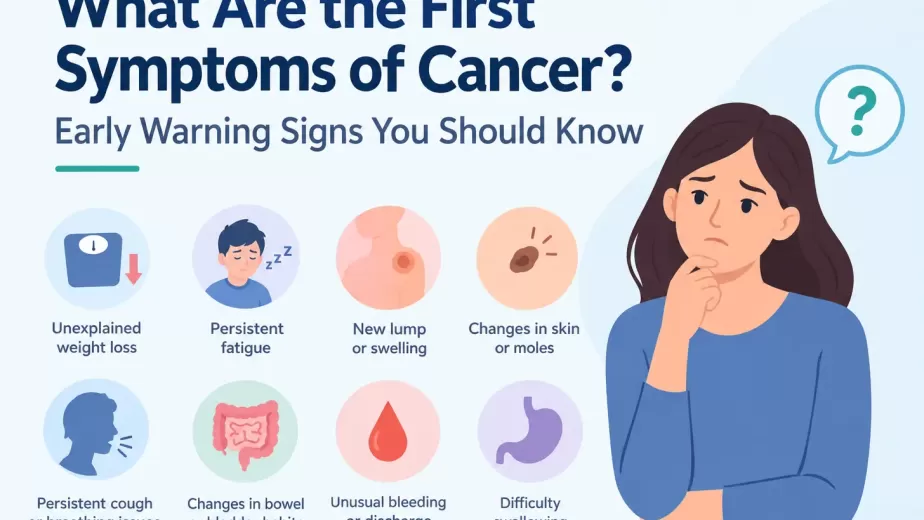
Breast cancer is one of the most commonly diagnosed cancers among women worldwide. Early detection, timely diagnosis, and access to specialized treatment can significantly improve outcomes and quality of life. If you or a loved one has been diagnosed with breast cancer, finding the right medical guidance is essential. Patients seeking Breast Cancer Treatment in Vadodara today have access to advanced diagnostic facilities, personalized treatment plans, and multidisciplinary cancer care designed to achieve the best possible results.
This comprehensive guide explains breast cancer symptoms, diagnosis, treatment options, and the importance of consulting an experienced oncology specialist for effective cancer management.
Understanding Breast Cancer
Breast cancer occurs when abnormal cells in the breast begin to grow uncontrollably and form a tumor. While it is more common in women, men can also develop breast cancer. The disease may start in different parts of the breast, including the milk ducts, lobules, or surrounding tissues.
Modern cancer treatment focuses on identifying the specific type and stage of breast cancer so that patients receive the most appropriate and effective treatment.
Common Symptoms of Breast Cancer
Breast cancer symptoms can vary from person to person. Some patients may experience noticeable signs, while others may discover the disease during routine screening.
Common symptoms include:
- A lump or thickening in the breast
- Changes in breast size or shape
- Skin dimpling or puckering
- Nipple inversion
- Unusual nipple discharge
- Redness or swelling of the breast
- Persistent breast pain
- Swollen lymph nodes under the arm
Any unusual breast changes should be evaluated promptly by a qualified Cancer doctor in Vadodara to ensure early diagnosis and treatment.
Risk Factors Associated with Breast Cancer
Several factors can increase the likelihood of developing breast cancer.
Age
The risk of breast cancer increases with age, particularly after 40 years.
Family History
Individuals with close relatives diagnosed with breast or ovarian cancer may have a higher risk.
Genetic Mutations
Inherited gene mutations such as BRCA1 and BRCA2 significantly increase breast cancer risk.
Hormonal Factors
Early menstruation, late menopause, and long-term hormone replacement therapy may contribute to increased risk.
Lifestyle Factors
Certain lifestyle choices may influence cancer risk, including: Obesity Smoking Excessive alcohol consumption Physical inactivity
Although these factors may increase risk, breast cancer can also occur in individuals without any known risk factors.
Importance of Early Detection
Early detection remains one of the most effective ways to improve breast cancer treatment outcomes. Routine screening can identify abnormalities before symptoms become noticeable.
Mammography
Mammograms are specialized X-ray examinations used to detect breast abnormalities at an early stage.
Clinical Breast Examination
Regular examinations by a healthcare professional can help identify suspicious changes.
Breast Self-Examination
Women should be familiar with the normal appearance and feel of their breasts and report any unusual changes promptly.
Advanced Imaging
Additional imaging techniques such as ultrasound and MRI may be recommended in specific cases.
Consulting the Best cancer doctor in Vadodara at the earliest sign of concern can lead to timely intervention and better treatment success.
Diagnosing Breast Cancer
Accurate diagnosis is essential for developing an effective treatment plan. The diagnostic process may involve several investigations.
Physical Examination
A thorough medical assessment helps identify visible or palpable abnormalities.
Imaging Studies
Doctors may recommend:
- Mammography
- Breast ultrasound
- Breast MRI
- PET-CT scan in selected cases
Biopsy
A biopsy involves removing a small tissue sample from the suspicious area for laboratory analysis. This is the definitive method for confirming breast cancer.
Molecular Testing
Advanced testing helps determine hormone receptor status and other characteristics that influence treatment decisions.
Understanding Breast Cancer Stages
Breast cancer is classified into different stages depending on tumor size, lymph node involvement, and spread to other organs.
Stage 0
Cancer cells remain confined to their original location.
Stage I
Small tumor with limited or no lymph node involvement.
Stage II
Larger tumor or involvement of nearby lymph nodes.
Stage III
Locally advanced cancer with significant lymph node involvement.
Stage IV
Cancer has spread to distant organs such as the lungs, liver, bones, or brain.
The stage of cancer plays a crucial role in determining the most suitable Breast Cancer Treatment in Vadodara.
Treatment Options for Breast Cancer
Breast cancer treatment is highly individualized. Specialists consider factors such as cancer stage, tumor biology, patient age, overall health, and treatment goals.
Surgery
Surgery remains one of the primary treatment options for breast cancer.
Breast-Conserving Surgery (Lumpectomy)
This procedure removes the tumor while preserving most of the breast tissue.
Mastectomy
A mastectomy involves removal of the entire breast when necessary.
Sentinel Lymph Node Biopsy
This procedure helps determine whether cancer has spread to nearby lymph nodes.
Axillary Lymph Node Dissection
In some cases, additional lymph nodes may need to be removed for accurate staging and treatment.
Chemotherapy
Chemotherapy uses anti-cancer medications to destroy rapidly growing cancer cells.
It may be recommended:
- Before surgery to shrink tumors
- After surgery to reduce recurrence risk
- For advanced or metastatic breast cancer
Modern chemotherapy protocols are designed to maximize effectiveness while minimizing side effects through supportive care measures.
Radiation Therapy
Radiation therapy uses high-energy beams to target and destroy cancer cells.
It is commonly recommended after breast-conserving surgery and in certain high-risk situations following mastectomy.
Benefits include:
- Reduced risk of recurrence
- Improved local cancer control
- Preservation of surrounding healthy tissues through advanced technology
Hormone Therapy
Certain breast cancers depend on hormones such as estrogen or progesterone for growth.
Hormone therapy works by:
- Blocking hormone receptors
- Reducing hormone production
This treatment is often prescribed for hormone receptor-positive breast cancer.
Targeted therapies attack specific molecules involved in cancer growth.
These treatments can provide significant benefits for patients with specific tumor characteristics, such as HER2-positive breast cancer.
Lorem ipsum dolor sit amet, consectetur adipiscing elit. Ut elit tellus, luctus nec ullamcorper mattis, pulvinar dapibus leo.
Personalized Cancer Care Approach
Modern oncology emphasizes personalized treatment planning rather than a one-size-fits-all approach.
A multidisciplinary team may include:
- Medical Oncologists
- Surgical Oncologists
- Radiation Oncologists
- Pathologists
- Radiologists
- Oncology Nurses
- Rehabilitation Specialists
This collaborative approach ensures comprehensive cancer management from diagnosis through recovery.
Patients looking for the Best oncologist in Vadodara often benefit from treatment plans tailored specifically to their cancer type and personal health needs.
Managing Treatment Side Effects
Breast cancer treatment can cause temporary side effects. Effective management strategies help maintain quality of life during treatment.
Fatigue
Adequate rest, nutrition, and light physical activity can help manage fatigue.
Nausea and Vomiting
Modern anti-nausea medications significantly improve patient comfort during chemotherapy.
Hair Loss
Hair loss associated with chemotherapy is often temporary and reversible.
Lymphedema
Some patients may develop arm swelling following lymph node surgery. Early intervention and physiotherapy can help manage symptoms.
Emotional Challenges
A cancer diagnosis can affect emotional well-being. Psychological support and counseling can play an important role in overall recovery.
Importance of Follow-Up Care
Treatment does not end after surgery, chemotherapy, or radiation therapy. Regular follow-up appointments are essential for:
- Monitoring recovery
- Detecting recurrence early
- Managing long-term treatment effects
- Supporting overall health and wellness
A dedicated Cancer doctor in Vadodara will create an individualized follow-up schedule based on each patient’s condition.
Breast Cancer Prevention and Risk Reduction
While not all cases can be prevented, certain lifestyle choices may reduce breast cancer risk.
Maintain a Healthy Weight
Obesity has been associated with increased breast cancer risk, particularly after menopause.
Stay Physically Active
Regular exercise supports overall health and may help lower cancer risk.
Eat a Balanced Diet
A diet rich in fruits, vegetables, whole grains, and lean proteins promotes long-term wellness.
Avoid Tobacco
Smoking is linked to various cancers and should be avoided.
Limit Alcohol Consumption
Reducing alcohol intake may help lower breast cancer risk.
Attend Regular Screenings
Routine screening remains one of the most effective methods for early detection.
Why Choosing the Right Oncologist Matters
Breast cancer treatment often involves complex decisions that require expertise and experience. Selecting the right oncology specialist can make a significant difference in treatment outcomes.
An experienced oncologist provides:
- Accurate diagnosis
- Evidence-based treatment recommendations
- Access to advanced therapies
- Ongoing monitoring and support
- Personalized patient care
Patients searching for the Best oncologist in Vadodara should consider factors such as experience, specialization, treatment approach, and commitment to comprehensive cancer care.
Advanced Breast Cancer Care in Vadodara
The availability of modern cancer treatment facilities has significantly improved breast cancer management. Today, patients can access advanced diagnostics, precision medicine, targeted therapies, and supportive care services closer to home.
Comprehensive Breast Cancer Treatment in Vadodara focuses not only on treating the disease but also on supporting physical, emotional, and psychological well-being throughout the cancer journey.
Whether the treatment involves surgery, chemotherapy, radiation therapy, targeted therapy, immunotherapy, or a combination of these approaches, modern oncology care aims to deliver personalized treatment with the best possible outcomes.
When Should You See a Cancer Specialist?
You should seek immediate consultation if you experience:
- A new breast lump
- Changes in breast shape or size
- Nipple discharge
- Persistent breast pain
- Skin changes on the breast
- Swelling in the underarm region
- Family history of breast cancer
Early consultation with the Best cancer doctor in Vadodara can significantly improve treatment outcomes and increase the chances of successful recovery.
Conclusion
Breast cancer is a serious but increasingly treatable disease when diagnosed and managed appropriately. Advances in oncology have transformed treatment outcomes, allowing many patients to achieve long-term remission and maintain a high quality of life.
If you notice any breast-related symptoms or have concerns regarding your cancer risk, seeking medical attention promptly is essential. Early diagnosis, expert evaluation, and a personalized treatment strategy can significantly improve outcomes.
Whether you are looking for Breast Cancer Treatment in Vadodara, consulting a trusted Cancer doctor in Vadodara, or searching for the Best oncologist in Vadodara, choosing experienced oncology care can provide the guidance, confidence, and support needed throughout your treatment journey.
Frequently Asked Questions
What are the early signs of breast cancer?
Common early signs include a breast lump, changes in breast shape, nipple inversion, unusual discharge, skin dimpling, redness, or swelling around the breast and underarm area.
Is breast cancer curable?
Many breast cancer cases can be successfully treated, especially when diagnosed at an early stage. Treatment outcomes depend on the cancer type, stage, and overall patient health.
What treatments are commonly used for breast cancer?
Breast cancer treatment may include surgery, chemotherapy, radiation therapy, hormone therapy, targeted therapy, and immunotherapy depending on the patient’s condition.
How long does breast cancer treatment take?
Treatment duration varies depending on the stage and treatment plan. Some patients may complete treatment within a few months, while others require ongoing therapies and follow-up care.
When should I consult a cancer specialist?
You should consult a specialist immediately if you notice a breast lump, nipple changes, persistent breast pain, abnormal discharge, or any unusual breast-related symptoms.